Business Waste Removal in Hoxton
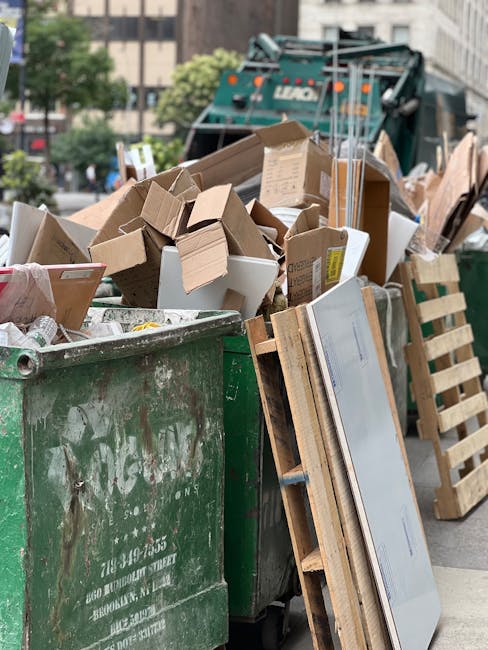
Business waste removal in Hoxton needs to be practical, tidy and suited to the way a workplace operates. We handle the collection and removal of mixed commercial waste from offices, shops, studios, hospitality venues and other premises that need a dependable way to clear refuse without interrupting the working day. The service is designed to remove the build-up that accumulates around back rooms, storage corners, communal bins and front-of-house spaces, while keeping the process straightforward for busy teams.
Our work covers regular clear-outs and one-off removals, including sacks, packaging, cardboard, fixtures, broken furniture and other non-hazardous business refuse. Where items need separating before collection, we can sort materials for disposal and recycling in a practical way. If you need commercial waste cleared with minimal fuss, the aim is to provide a clear plan, sensible timing and a clean finish that leaves the area ready for its next use.
For a broader look at the services available, our business waste removal page explains the main commercial collection work in more detail. If you are weighing up the kind of clearance you need, the rest of this page sets out the typical jobs we help with, the factors that affect the quote and the sort of preparation that makes the process easier.
Commercial waste collections for day-to-day operations
Most business waste does not arrive all at once. It builds up through deliveries, stock changes, fit-outs and routine use of a premises. That is why a flexible collection service matters. We remove general commercial waste, packaging, office rubbish and other everyday materials that can quickly take over limited storage space. The emphasis is on keeping circulation areas, staff rooms and service zones usable, rather than letting disposal tasks sit at the bottom of a long to-do list.
In practical terms, that means we can deal with mixed loads that are awkward to move in ordinary vehicle runs. Items may include cardboard bundles, plastic wrapping, old paperwork, damaged shelving, display units and unsorted waste from short-term projects. When waste is already separated, collection can be quicker; when it is not, a sensible loading plan still helps keep the job efficient. If you are ready to clear a backlog of commercial rubbish, this service is built around removing it in one organised visit rather than spreading the work out unnecessarily.
Useful commercial loads often include:
- cardboard and packaging from deliveries
- office waste and bagged rubbish
- broken furniture and small fixtures
- shop display material and storage clutter
- light builders’ waste from minor premises work
Office waste removal for working premises
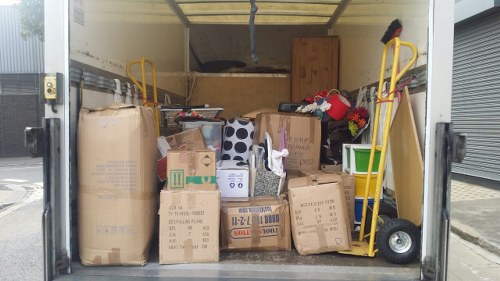
Office waste removal often needs a different approach from general rubbish collection because the contents can be lighter, more varied and tied to active working areas. We help with the removal of desks, chairs, filing units, broken equipment, archive material and the ordinary waste that gathers around desks, meeting rooms and storage cupboards. The service suits offices that are changing layout, reducing clutter or clearing space after a refit.
Some office clearances are mostly about bulk, while others involve a mixture of recyclable material and general refuse. Paper, cardboard, plastics and furniture may all need handling in the same visit, but not necessarily in the same way. Where items are suitable for separate sorting, that can help the process remain orderly. Where access is awkward or items have to come from upper floors, the collection plan needs to account for carrying routes, lift use and loading space. Clear access and a simple list of items can make the arrangement more efficient.
For businesses that want a straightforward next step, the office clearance page gives a closer look at the kind of work involved when desks, chairs and other workplace items need to go. It is a useful starting point if you are deciding whether the job is best treated as a full room clearance or a smaller waste collection.
Clearance options for shops, studios and shared premises
Commercial premises are rarely all arranged in the same way, so the scope of a waste removal job can vary widely. Retail units may need stockroom waste and old fittings cleared. Studios may need packaging, offcuts and storage items taken away. Shared premises can produce mixed waste from different users that has been left in a common area. In each case, the service is intended to remove unwanted material carefully so that the remaining space can be used properly.
When a quote is prepared, the main factors are usually the amount of waste, the type of material, the ease of access and any lifting or sorting involved. Items that are easy to load from ground level are generally simpler than heavy furniture or waste that has to come down stairs. The best approach is to describe the load accurately rather than trying to make it sound larger or smaller than it is. A precise description helps us give a more useful quotation. Accurate details matter more than estimates that are too rough.
If you would like to compare the wider service range, our waste removal page sets out the general disposal work that sits behind many commercial clearances. Pricing and quotes may also help if you are gathering the information needed before you request a figure for a particular job.
Planning a business waste clearance
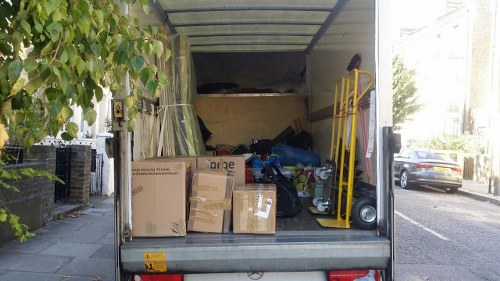
A well-planned waste collection usually starts with knowing what needs to leave the site and what must stay. That sounds basic, but it is the difference between a quick removal and an awkward one. Before a collection, it helps to identify the main categories of waste, whether anything is fragile or heavy, and whether the items are in one room or spread across several floors. That gives a clearer picture of the labour involved and the best order for loading.
Two simple preparations are often enough to make the process smoother. First, group the waste into obvious piles if you can do so safely. Second, make sure there is a practical route to the items, especially if they are in a storage room, basement or shared corridor. We do not need a complicated checklist, but we do need enough information to plan sensibly. If you are not sure how to describe the load, a few short notes are usually better than a long explanation that repeats the same point.
For businesses looking for a more scheduled arrangement, the book online page can be a convenient way to move from enquiry to a collection request. If you prefer to speak first, the final step can still be as simple as asking for a quotation once you know what needs removing.
Sorting, recycling and responsible disposal

Commercial waste is often mixed, but it should not be treated as though every item belongs in the same stream. Cardboard, office paper, plastics, furniture, electrical items and general refuse may each need a different disposal route. We aim to separate suitable materials where practical so that recyclable items are not simply bundled in with everything else. That makes the clearance tidier and keeps the work aligned with a sensible disposal method.
There are also items that need more care because they fall outside standard mixed waste. Refrigerated units, specialist materials and certain potentially harmful contents should be dealt with under the correct service route rather than being added to a routine load. If you are unsure whether something is suitable for business waste removal, it is better to identify it in advance. The hazardous waste disposal page is relevant where a job goes beyond normal commercial rubbish, while recycling and sustainability explains the broader approach to sorting reusable or recyclable material.
When you are ready, request a quotation for the items you want removed. A short description of the waste, the access and the likely volume is usually enough to begin. If the collection is urgent in practical terms, say so plainly; if it is a routine clearance, that is fine too. The important thing is to make the request specific enough for a useful reply.
Furniture, fixtures and bulky items from workspaces
Businesses often need more than bin bags taken away. Desks, chairs, tables, shelving, counters and reception furniture can all become surplus when layouts change or equipment wears out. Removing these pieces needs more than a waste sack approach, especially where items are awkward to carry or need dismantling before loading. We can handle bulky furniture removal as part of a wider business waste job, keeping the process orderly from the first lift to the last item.
Some workplaces also need old fixtures and fittings cleared alongside the rubbish that has built up around them. This may include storage units, display stands, loose panels or other non-structural items that no longer serve the premises. Where a load includes both furniture and mixed waste, it is usually more efficient to deal with them together rather than arranging separate visits. The furniture clearance page covers the removal of larger items, while furniture disposal is useful where the main issue is disposing of unwanted pieces cleanly and sensibly.
Our aim is to leave the site with the bulky items gone and the remaining space easier to use. If you are comparing options for a refit, move or general tidy-up, a single organised removal often makes more sense than leaving heavy items to take up room for another week.
Business waste removal for different property types
Commercial waste is not limited to one type of site. Offices, ground-floor shops, workshops, studios and managed premises can all produce material that needs collecting in a practical way. The right approach depends on how the building is used and where the waste has gathered. A small back-office clearance may need little more than loading from one room, while a larger premises may involve several points of access and a more careful loading sequence.
For some businesses, the main issue is a planned change such as a relocation, refresh or stock rotation. For others, it is the simple fact that waste has been left for too long and now needs removing before it affects the working environment. Either way, the collection should be matched to the actual load rather than to a generic idea of a commercial job. If the material is mostly loose and bagged, the work is different from a clearance dominated by furniture or stored items. That difference should shape the quotation and the collection plan.
Where you need a more detailed view of the service in a commercial setting, the builders waste clearance page is helpful for waste left after small works, and garage clearance can be relevant where business storage spaces have become overfilled with mixed items.
About Hoxton
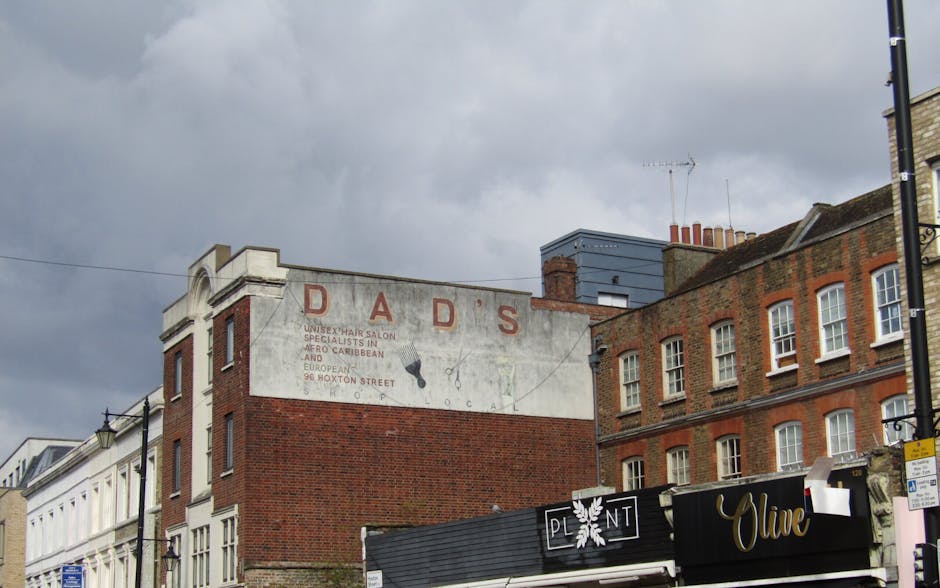
Hoxton is an area in the London Borough of Hackney, immediately north of the City of London and historically part of the wider East End. Its identity has long been shaped by layers of industry, housing and cultural change, with older streets sitting alongside newer developments and creative spaces. The area’s street pattern reflects its growth from former fields and marshy ground into a densely built urban quarter, and many of its roads still reveal the compact scale associated with inner London’s historic expansion. Hoxton Street remains one of the better-known local thoroughfares, while nearby Shoreditch and Haggerston provide the broader setting in which the district is often understood. Hoxton’s built environment includes a mix of Georgian and Victorian terraces, post-war housing, warehouse conversions and modern developments, which gives the area a varied architectural character. Hoxton Square is one of its best-known public spaces and has been part of the district’s social life for centuries, while Hoxton Hall is a notable surviving music hall building that reflects the area’s performance and entertainment history. The locality also connects to a wider cultural story, with galleries, studios and independent venues contributing to its changing reputation over recent decades. The Regent’s Canal runs close by to the east and south, providing a navigable waterway corridor that links Hoxton with other parts of inner London and adds to the area’s sense of layered transport history.
House, flat and loft clearances alongside business waste
Although this page focuses on commercial rubbish, some customers need a service that deals with other kinds of property clearance at the same time. That might mean a mixed project involving office storage, domestic contents from a landlord-managed property or surplus items from a live-work space. In those situations, it helps to identify which items belong to the business side and which belong to a separate clearance category. A clear split makes the job easier to quote and easier to carry out in the right order.
We also handle residential-style clearances where they are genuinely relevant to the wider job, including larger household contents and stored items. The key is not to force everything into one label, but to use the service that best matches the load. If the work mainly involves items from an upstairs room, a loft or a flat, the collection plan should account for those access details. House clearance and loft clearance are both useful pages when the waste is mixed with property contents rather than simply general rubbish.
When the items are ready to go, the next step is straightforward: ask for a quotation that reflects the actual amount, the access and the type of waste. That is the clearest way to get the right collection arranged without unnecessary back-and-forth.
Make an enquiry for business waste removal
If you need business waste removed in Hoxton, the best enquiry is the one that gives a concise picture of the job. Tell us what sort of premises it is, what items need to be taken, whether they are bagged or bulky, and whether the waste is all in one place. That is usually enough to start shaping a sensible quote and collection plan. If there are awkward access points, mention them at the same time so the arrangement reflects the real conditions on site.
For some customers, the job is a one-off clear-out. For others, it is part of a practical reset after a move, refurb or change in stock. Either way, the aim is the same: to remove the unwanted material cleanly, keep the process manageable and leave the remaining space easier to use. Request a quotation when you are ready, and include the few details that will help make it accurate. If you also need to look at related pages, the contact us page is the place to send that request.
We can then review the waste type, the amount and the collection details before confirming the next step. If the service is right for you, the final instruction can be as simple as giving the go-ahead and choosing a suitable time for removal.