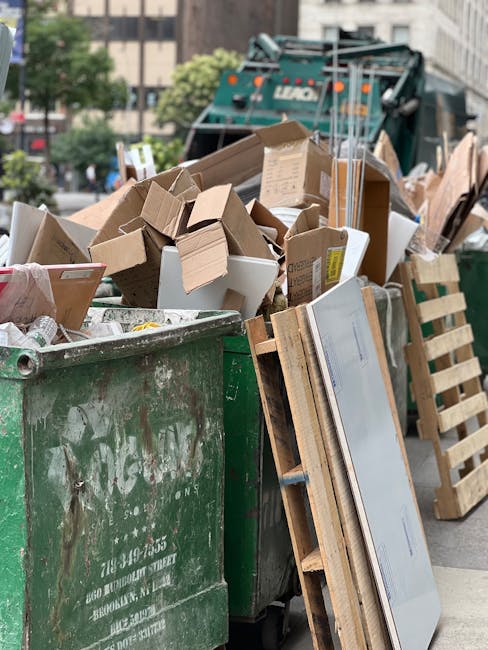
Affordable rubbish collection Shoreditch High Street Hoxton
If you live, work, or manage a property near Shoreditch High Street and Hoxton, rubbish has a habit of piling up faster than you expect. One day it is a broken wardrobe in the hallway, the next it is builders' offcuts, a flat move-out, or a back room that has quietly turned into a storage jungle. Affordable rubbish collection Shoreditch High Street Hoxton is really about getting that mess removed quickly, safely, and without paying for more than you need.
The good news? Cheap does not have to mean careless. A well-run clearance service should help you deal with bulky waste, household clutter, office junk, and awkward items in a way that is practical and transparent. In this guide, we will break down how it works, what to look for, where the value is, and how to avoid the little mistakes that end up costing more later. Truth be told, most people just want the same thing: the rubbish gone, the space back, and no nasty surprises.
Why Affordable rubbish collection Shoreditch High Street Hoxton Matters
In a dense part of London, waste adds up differently. Flats are smaller, access can be awkward, storage is limited, and a single bulky item can make a room feel unusable. If you are near the Shoreditch High Street and Hoxton corridor, you are also dealing with busy pavements, tight stairwells, shared entrances, and the usual London problem of "where exactly do I put this until tomorrow?"
That is why affordability matters here. Not because the cheapest quote is automatically best, but because waste removal should be proportionate to what you actually need. Paying for a full skip when you only have a few items is wasteful. Leaving rubbish to build up because collection feels overpriced is just as costly in another way. You lose space, time, and usually a bit of patience too.
A sensible rubbish collection service helps with more than tidiness. It can reduce trip hazards, improve fire safety in communal areas, speed up move-outs, and stop clutter from getting in the way of tradespeople or customers. If you run a business, it can also keep your premises looking decent. Nobody wants to walk into a reception area and see old boxes leaning against the wall by 9 a.m., let's face it.
Expert summary: Affordable rubbish collection is not just about lower cost; it is about matching the right removal method to the amount, type, and urgency of waste so you only pay for what you truly need.
For larger jobs, you may also want to explore broader waste removal options or more specific services such as house clearance and office clearance, depending on the type of property involved.
How Affordable rubbish collection Shoreditch High Street Hoxton Works
The process is usually more straightforward than people expect. A good collection service will ask what you need removed, where it is located, and whether there are any awkward items or access issues. That first conversation matters because it shapes the quote and avoids the classic "oh, there was also a sofa, two monitors, and a fridge" moment on the day.
In practice, the job often follows a few simple stages:
- Assessment: You explain the type and volume of rubbish, and sometimes share photos so the team can estimate the load more accurately.
- Quote: A price is offered based on weight, labour, item type, and access. More complex jobs tend to cost more, but the quote should still be clear.
- Booking: You choose a time slot that suits your schedule. For many people, the biggest selling point is speed.
- Collection: The crew arrives, removes the waste, and handles the lifting. This is the part your back quietly thanks you for.
- Sorting and disposal: Reusable or recyclable materials are separated where possible, and the waste is taken to the appropriate facility.
For some jobs, particularly those involving mixed waste or a small number of bulky items, this can be more cost-effective than a skip. If you are comparing options, it may also help to read the page on pricing and quotes, because understanding how charges are usually structured makes decision-making much easier.
Not every collection is the same. A quick garden tidy, a flat clearance, and a post-renovation load of rubble all need slightly different handling. The job is not just "take stuff away"; it is "take the right stuff away in the right way." Small difference. Big impact.
Key Benefits and Practical Advantages
Affordable rubbish collection is popular because it solves several problems at once. The obvious one is getting rid of waste. The less obvious one is removing the mental clutter that comes with it. A pile of unwanted items can make a home or workplace feel unfinished, even when everything else is tidy.
- Saves space: Freeing up a hallway, spare room, office corner, or storage area makes a surprising difference.
- Reduces stress: You do not have to plan a van hire, manual loading, or multiple dump runs.
- Fits busy schedules: Fast booking is useful when you are moving out, refurbishing, or preparing for guests or clients.
- Handles bulky items: Sofas, mattresses, appliances, and awkward furniture are easier to deal with when someone else does the lifting.
- Supports proper disposal: A professional team should know how to sort common waste streams responsibly.
- Can be more economical: When labour, time, and vehicle costs are factored in, a one-off collection may beat piecing together your own solution.
There is also the convenience factor. If you are clearing a flat on a narrow street or an upper-floor property with limited lift access, a professional crew is often simply the least painful route. You may not think of that as a "benefit" until you try carrying a wardrobe down two flights of stairs. Not fun.
For item-specific jobs, the more targeted pages on furniture disposal and mattress and sofa disposal can be especially useful when the load is mostly bulky household items.
Who This Is For and When It Makes Sense
This service suits a wide range of people, and that is part of its value. You do not need to be managing a major building project to benefit from it. Sometimes one broken appliance, three bins' worth of packaging, and a few old chairs are enough to make the job worth outsourcing.
It tends to make sense for:
- Flat residents who need clutter removed quickly without disturbing neighbours or blocking shared areas.
- Landlords and letting agents dealing with move-outs, abandoned items, or urgent turnaround work.
- Homeowners clearing lofts, garages, spare rooms, or general household waste.
- Small businesses that need reliable clearance of office junk, packaging, or old fixtures.
- Builders and tradespeople with mixed renovation debris, offcuts, and light construction waste.
- People handling life admin after a move, renovation, downsizing, or bereavement. That last one is often emotionally heavy, so a calm, efficient service can really help.
If your waste is mostly domestic clutter, home clearance may be a natural fit. If it is a business premises, business waste removal is the more relevant route. And if you are emptying a rented property, a focused flat clearance service is often the most practical option.
When does it make sense to act now? Usually when the waste is causing friction. Maybe you cannot move furniture properly. Maybe staff are working around boxes. Maybe you are dreading the weekend job that never quite gets done. That is usually the moment to stop putting it off.
Step-by-Step Guidance
If you want the smoothest experience, a little preparation goes a long way. Nothing dramatic. Just a bit of planning before the team arrives.
- Separate what is going and what is staying. This sounds obvious, but in mixed clearances it saves time and prevents mistakes. A stray charger cable can hide in a pile very easily.
- Take a quick inventory. Note down large items, approximate bag counts, and anything unusual such as paint tins, fridges, or confidential documents.
- Check access. Look at staircases, parking, lifts, concierge arrangements, and any time restrictions. Shoreditch and Hoxton can be busy, so access planning matters more than people think.
- Request a clear quote. Ask what is included, how the pricing works, and whether labour, disposal, or special handling are covered.
- Confirm item restrictions. Some waste needs special handling. Do not assume everything can go in one load.
- Prepare the items in one place if you can. It is not essential, but it can reduce collection time and make the visit more efficient.
- Be present, or nominate someone. A quick walk-through helps the crew remove the right things without confusion.
For trade or refurbishment jobs, you may want to review builders waste clearance and the page on what can go in a skip if you are weighing collection against skip hire-style disposal. Even if you do not end up using a skip, the comparison helps clarify the type of material you are dealing with.
One practical tip: if you are clearing a property early in the morning, try to do a final check the evening before. You would be amazed how often something important is sitting under a coat or behind a door. Happens all the time.
Expert Tips for Better Results
The cheapest rubbish collection is not always the one with the lowest headline price. It is the one that removes everything you actually need, without extra trips or surprise add-ons. Here are a few things that make a real difference.
- Provide photos early: Good photos help the team judge volume and access, which usually improves quote accuracy.
- Group similar waste together: Mixed loads are fine, but sorting obvious categories in advance can streamline collection.
- Flag bulky or specialist items up front: Fridges, mattresses, and electricals may require different handling than bagged rubbish.
- Ask about recycling: A responsible operator should be able to explain how materials are separated where possible.
- Choose the right service size: A modest load should not be treated like a full property clear-out, and vice versa.
- Think about timing: Midweek or off-peak slots can sometimes be easier for busy streets and building access.
There is also a trust angle. A company that is clear about process, safety, and payment is usually easier to work with. Pages such as insurance and safety, health and safety policy, and payment and security can give you a better sense of how professionally the service is run.
To be fair, a tidy quote and a tidy van do not guarantee everything. But they are usually a decent sign you are dealing with people who have done this before and are not winging it. Always helpful.
Common Mistakes to Avoid
Most rubbish collection problems are predictable. That is the good news. The bad news is they are also very common. Avoiding them saves time, money, and the mild irritation of having to reschedule.
- Choosing only on price: A very low quote can hide limitations around access, item type, or weight.
- Not mentioning special items: Fridges, paint, sharp materials, or confidential paperwork should be disclosed before booking.
- Assuming all waste is the same: General rubbish, furniture, green waste, and hazardous items are not handled in the same way.
- Leaving access issues to the day: Parking restrictions or narrow stairwells can slow everything down.
- Forgetting about building rules: Some blocks have lift bookings, loading restrictions, or quiet-hour expectations.
- Skipping the final check: Once the truck leaves, finding that one missing item is a proper facepalm moment.
Another sneaky mistake is overfilling bags or bundling waste in a way that makes it hard to handle. Keep it safe and simple. If a crew has to spend ages re-sorting a load, that can affect the final cost or the time on site.
For item-specific disposal, fridge and appliance removal is worth considering when white goods are involved, while hazardous waste disposal matters if you have materials that should never be mixed into a standard load.
Tools, Resources and Recommendations
You do not need a toolkit the size of a builder's van, but a few simple things make the process much smoother:
- Phone camera: Snap clear photos of the waste and access points.
- Basic inventory notes: A quick list is often enough to prevent confusion.
- Labels or tape: Useful if some items are staying and some are going.
- Strong gloves and bags: Handy if you are sorting lighter items before collection.
- Measuring tape: Sometimes useful for bulky furniture or awkward stairwell turns.
From a service perspective, these pages are particularly helpful when planning a collection:
- Pricing and quotes for understanding how the job may be costed.
- Recycling and sustainability for a better sense of responsible disposal.
- About us if you want to know more about the people behind the service.
- Book online if you are ready to move quickly and keep the process simple.
And if your situation is broader than a single collection, a fuller loft clearance or garage clearance may be the smarter route. Sometimes the first pile is only the beginning.
Law, Compliance, Standards, or Best Practice
Waste removal in the UK is not something to treat casually. You do not need to memorise regulations to make a sensible choice, but you should understand the basics. A reputable operator should handle waste responsibly, keep to accepted safety practices, and dispose of materials through proper channels.
For you as the customer, the main best-practice points are straightforward:
- Do not mix restricted items with general waste unless the provider has confirmed they can take them.
- Be honest about what is being removed so the right equipment and handling can be used.
- Keep documents and confidential material separate unless you are using a service designed for secure disposal, such as confidential shredding.
- Use a provider that explains safety, insurance, and disposal approach in plain English.
- Ask questions if you are unsure about a material, appliance, or mixed load.
Business customers should pay particular attention to segregation of materials and the handling of anything sensitive. Households should be especially careful with electricals, bulky furniture, and any item that may contain refrigerants or chemicals. It sounds dry, but it is the kind of thing that prevents problems later.
Also, if your waste includes items that could create risk during handling, make sure the service is suitable before booking. A well-run collection should never make you feel awkward for asking. In fact, good operators expect it.
Options, Methods, or Comparison Table
If you are deciding how to clear rubbish, the main choice is usually between a manual collection service, a skip, or doing it yourself. Each has a place. The right option depends on volume, access, time, and how much lifting you want to do. Which is to say: probably less than you think.
| Option | Best for | Pros | Limitations |
|---|---|---|---|
| Affordable rubbish collection | Small to medium loads, bulky items, quick clear-outs | No heavy lifting for you, fast turnaround, good for awkward access | May cost more than DIY for very small loads |
| Skip-style disposal | Ongoing renovation waste or large amounts of inert material | Useful for longer projects, easy to fill gradually | Needs space, permits/access planning, and you still do the loading |
| Self-haul | Very small loads if you already have transport | Can be cheaper in direct costs | Time-consuming, physically demanding, and easy to underestimate |
If you are still unsure, think about the actual friction in the job. Is the issue mostly transport, lifting, access, or time? The answer usually points you in the right direction.
Case Study or Real-World Example
Imagine a small flat near Shoreditch High Street after a tenancy ends. There are two broken dining chairs, a mattress, several bags of mixed clutter, some old packaging, and a fridge in the kitchen. Nothing outrageous, but enough to block cleaning and make the place feel half-finished.
A practical rubbish collection approach here would start with photos and a clear item list. The mattress and fridge need separate consideration, the mixed bags need estimating, and access needs checking because the property is on an upper floor with a narrow stairwell. A sensible provider would quote based on the full load and explain what is included.
Now compare that with trying to organise separate trips, borrow a van, lift the fridge yourself, and find time to sort everything around work. Sure, it is possible. But by the time you have done all that, the "cheap" route often stops looking cheap. A bit funny, really. The number of jobs people take on just to avoid one straightforward collection is impressive.
The best outcome in this kind of scenario is usually simple: the items go, the flat is ready, and nobody has to spend their evening wrestling a mattress through a doorway. Relief is underrated.
Practical Checklist
Use this before booking your collection. It keeps things tidy and avoids the usual last-minute scramble.
- List all items to be removed.
- Separate rubbish from items you want to keep.
- Take a few clear photos.
- Check access, parking, lifts, and time restrictions.
- Note any heavy, sharp, or specialist items.
- Ask how the quote is calculated.
- Confirm whether special items need separate handling.
- Review the provider's safety and payment information.
- Prepare the collection area if possible.
- Do a final walk-through before the team leaves.
If you are dealing with a larger clear-out, it can help to compare related services such as furniture clearance and house clearance so you choose the right level of support rather than overpaying for the wrong one.
Get a free quote today and see how much you can save.
Conclusion
Affordable rubbish collection Shoreditch High Street Hoxton works best when it is planned properly, quoted clearly, and matched to the real size of the job. That is the heart of it. If you have a pile of mixed waste, bulky furniture, or a property that needs clearing fast, the right collection service can save you time, reduce stress, and keep the whole process a lot more manageable.
The key is not just finding the lowest price. It is finding the right balance of value, convenience, safety, and reliability. Ask good questions, be clear about the waste, and choose a service that treats disposal with the care it deserves. Small effort upfront, much smoother day on the other side.
And once the clutter is gone, the difference is immediate. The room feels bigger. The air feels lighter. Sometimes that is all it takes to make a place feel like yours again.
Frequently Asked Questions
How much does affordable rubbish collection in Shoreditch High Street Hoxton usually cost?
Costs vary depending on volume, item type, access, labour, and whether any specialist disposal is needed. The most reliable way to keep costs sensible is to share accurate details and photos before booking so the quote reflects the actual job.
Is rubbish collection better than hiring a skip?
It depends on the job. Rubbish collection is often better for bulky items, awkward access, and smaller mixed loads because the crew does the lifting. A skip can suit longer projects where waste is generated over time. If you are unsure, compare the amount of waste and how much space you have outside.
Can you collect furniture, mattresses, and appliances?
Yes, these are common collection items, but some pieces may need separate handling. Furniture, mattresses, sofas, fridges, and other appliances are often easiest to manage through dedicated pages such as furniture disposal or fridge and appliance removal.
What kind of waste can usually go in a standard collection?
General household clutter, bagged rubbish, old furniture, small amounts of mixed waste, and many office items are commonly collected. However, hazardous items and some specialist materials may need separate disposal. Always disclose anything unusual up front.
Do I need to be at the property during collection?
Not always, but it is usually helpful. Being present lets you confirm what is staying, what is going, and where access is best. If you cannot attend, make sure someone responsible can give clear instructions.
How do I get the most accurate quote?
Give a full item list, share photos, mention access issues, and be honest about any heavy or special waste. A clear description reduces the chance of added costs and makes the booking smoother for everyone involved.
Is affordable rubbish collection suitable for offices and businesses?
Yes. Offices often need regular or one-off clearances for furniture, packaging, confidential material, and obsolete equipment. Business customers should choose a service that is comfortable with office waste removal and understands practical site access.
What should I do with hazardous or restricted waste?
Do not put it into a general rubbish load unless the provider confirms it can be accepted. Hazardous items need specific handling, and it is far better to ask first than to create a safety issue later.
Can rubbish collection help with a flat clearance after a move-out?
Absolutely. Flat clearances are one of the most common reasons people book a collection. If the property has leftover furniture, bags of clutter, or unwanted white goods, a dedicated flat clearance service can be the cleanest solution.
How long does a typical collection take?
That depends on the amount of waste, the layout of the property, and access. A small collection may be quick, while a larger clearance can take longer. Good preparation, such as grouping items and clearing access, usually speeds things up.
What makes a rubbish collection service feel trustworthy?
Clear pricing, straightforward communication, practical safety information, and a sensible explanation of how waste is handled. If the provider is open about insurance, payment, and disposal approach, that is usually a strong sign they know what they are doing.
Where should I start if I want to book today?
Start by gathering photos and a list of items, then review the pricing and booking information so you know what to expect. If you are ready to move ahead, the online booking option is the quickest next step.
Can rubbish collection be used for garden or garage clear-outs too?
Yes, and it often works very well. Garden waste, broken tools, old storage items, and garage clutter are common removal jobs. For more specific needs, dedicated garden clearance and garage clearance services can be a better fit than a general load.