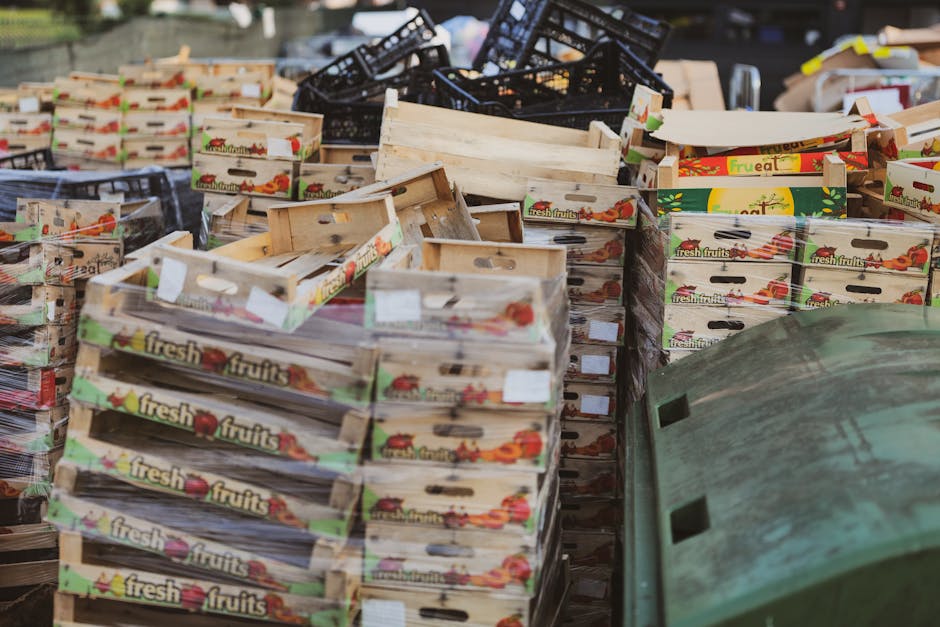
Rubbish removal Hoxton Street Market N1: a practical local guide for faster, cleaner clearances
If you are dealing with a pile of unwanted bags, broken furniture, trade offcuts, or just the kind of clutter that quietly grows in the corner, rubbish removal Hoxton Street Market N1 can feel less like a task and more like a small rescue mission. Markets, flats, shopfronts, and busy streets all create their own rubbish challenges, and to be fair, nobody wants to spend a Saturday lugging waste through narrow pavements or trying to work out what goes where.
This guide explains how local rubbish collection and waste clearance typically works around Hoxton Street Market and the wider N1 area, what to expect, how to choose the right service, and which mistakes can cost you time or money. It also covers practical compliance points, common waste types, and a few real-world tips that make the whole process much less painful.
Table of Contents
- Why Rubbish removal Hoxton Street Market N1 Matters
- How Rubbish removal Hoxton Street Market N1 Works
- Key Benefits and Practical Advantages
- Who This Is For and When It Makes Sense
- Step-by-Step Guidance
- Expert Tips for Better Results
- Common Mistakes to Avoid
- Tools, Resources and Recommendations
- Law, Compliance, Standards, or Best Practice
- Options, Methods, or Comparison Table
- Case Study or Real-World Example
- Practical Checklist
- Conclusion
- Frequently Asked Questions
Why Rubbish removal Hoxton Street Market N1 Matters
Hoxton Street Market sits in a part of London where space is precious, footfall is constant, and the pace is brisk. That combination changes rubbish removal in a very real way. What might be a simple tidy-up elsewhere can become awkward here because of narrow access, timed loading, mixed-use buildings, and the simple fact that rubbish left out too long attracts attention, smells worse, and gets in the way.
For local residents, a reliable clearance service helps keep flats, hallways, lofts, and basements usable. For traders, it supports a neat stall, safer customer access, and better presentation. For small businesses nearby, it means less disruption, fewer storage headaches, and a cleaner workspace. You will notice the difference almost immediately when waste is removed properly rather than just shifted from one corner to another.
There is also a practical side that people sometimes overlook: proper rubbish removal supports recycling, safer handling, and better sorting. That matters whether you are clearing a household, a shop unit, or a room full of mixed junk after a refurbishment. In a busy N1 location, quick and orderly waste clearance is not a luxury. It is part of keeping things workable.
Expert summary: In a place like Hoxton Street Market, the best rubbish removal is usually the kind that is planned around access, timing, waste type, and local disruption. Fast is good. Neat is better. Both together is ideal.
How Rubbish removal Hoxton Street Market N1 Works
The process is usually straightforward, but the details matter. A good waste clearance service will first assess what needs removing, how much there is, and whether any items need special handling. That can happen through photos, a short phone call, or an online booking request. If access is tricky, it helps to be clear about staircases, loading points, parking limitations, and whether there is lift access. Small thing, big difference.
On the day, the team arrives, loads the waste, separates anything recyclable where possible, and clears the area so you can get on with the next job. Depending on the type and quantity of waste, the removal may be a one-off collection or part of a larger clearance plan. For example, a tenant moving out might combine a flat clearance with some furniture disposal, while a landlord may need a broader house clearance after a long-term tenancy.
In practice, the work often breaks into three parts:
- Assessment: work out what has to go, what can stay, and whether any items are restricted or hazardous.
- Removal: move items safely from the property, shop, office, or outdoor area.
- Sorting and disposal: route reusable or recyclable material into the right stream and dispose of the rest responsibly.
If you need a broader service than simple household rubbish clearance, it may be worth looking at the wider waste removal options available, especially when the load includes mixed materials or awkward bulky items. A commercial setting might also need business waste removal rather than a domestic pickup. That distinction matters more than most people think.
Key Benefits and Practical Advantages
There are plenty of reasons people choose a professional rubbish clearance rather than trying to do it all themselves. Some are obvious, others only become obvious when you have already spent half the morning wrestling a sofa through a doorway. Been there, or rather seen it enough times.
- Time saved: you avoid multiple car trips, bag sorting, loading, and queueing at disposal points.
- Less physical strain: heavy lifting is no joke, especially with wardrobes, mattresses, appliances, and broken furniture.
- Better access management: a local team understands tight stairwells, courtyard access, and busy street conditions.
- Cleaner finish: a proper clearance leaves the space usable, not half-finished.
- More responsible disposal: recyclables can be separated, and unsuitable items handled correctly.
- Lower disruption: for trades, offices, and shopfronts, waste can be removed with far less downtime.
There is also peace of mind. If you are dealing with unwanted items that are bulky, messy, or just plain awkward, knowing someone can take it away in one visit is a relief. Sometimes that matters more than the practical savings. Sometimes both matter equally.
For bigger domestic jobs, services such as home clearance, loft clearance, garage clearance, or even garden clearance can be more efficient than piecemeal removal. And if you are clearing out old seating or a tired sofa that has seen better days, a dedicated mattress and sofa disposal service is often the cleaner option.
Who This Is For and When It Makes Sense
Rubbish removal around Hoxton Street Market N1 is useful for a wider range of people than you might first expect. It is not only for people doing a full house empty or a massive renovation.
It makes sense if you are:
- a resident clearing bags, broken furniture, old appliances, or accumulated clutter
- a landlord preparing a property for viewings, re-letting, or refurbishment
- a tenant moving out and needing a fast final clear-up
- a shop owner or market trader dealing with packaging, display waste, or surplus stock
- an office manager replacing furniture, clearing archives, or tidying storage areas
- a contractor dealing with light building debris, timber, plasterboard, or mixed renovation waste
Some jobs are predictable; others arrive suddenly. A burst pipe, a failed appliance, a last-minute lease end, or an urgent landlord inspection can all create a scramble. In those moments, a service that can respond quickly and keep the process simple is worth a lot. A bit of calm in the chaos, basically.
If the waste is business-related, it may also make sense to look at specialist options like office clearance or confidential shredding if papers, records, or sensitive documents are involved. That is especially relevant for small firms that do not have storage space for boxes of old files.
Step-by-Step Guidance
If you want the process to run smoothly, a little preparation goes a long way. You do not need to become an expert in waste handling overnight. Just be organised enough to avoid surprises on collection day.
- Walk through the space. Decide what is definitely going, what is staying, and what might need special handling. If it helps, put sticky notes or separate piles in different corners.
- Group waste by type. Bulky furniture, general rubbish, appliances, builders waste, and garden waste should not all be treated as the same thing.
- Check access. Measure doorways if needed, identify parking or loading points, and note any stairs or narrow passages.
- Flag any tricky items early. Fridges, freezers, mattresses, paint tins, chemicals, and electrical items may require a different disposal route.
- Ask for a clear quote. Make sure the price basis is explained in plain English. Weight, volume, item count, labour, and access can all affect the total.
- Prepare the area. Move valuables, separate keep piles, and make the waste easy to reach.
- Confirm timing. Around a market area, timing matters. Midday may feel very different from early morning or late afternoon.
For construction or renovation waste, a more focused clearance such as builders waste clearance is usually the smarter route. It keeps rubble, timber, packaging, and site debris properly managed instead of mixed in with general household waste.
And if you are unsure what can be disposed of in a skip versus what needs separate handling, the guide on what can go in a skip is a useful reference point. Not glamorous, I know, but helpful.
Expert Tips for Better Results
There are a few small habits that make rubbish removal far smoother, especially in a busy part of London where access and timing can be the difference between an easy job and a slightly miserable one.
- Take photos before booking. A few clear images of the waste and access route can save back-and-forth later.
- Separate reusable items. If something can be donated, reused, or resold, keep it apart before collection.
- Keep hazardous items flagged. Do not hide them in general waste and hope for the best. That is how delays happen.
- Be honest about volume. Understating how much needs removing can lead to disappointment and awkward price changes.
- Think about timing around neighbours and traders. A noisy clearance at the wrong time can create avoidable friction. Nobody needs that.
A small practical note: if you are clearing a property with mixed waste, ask whether recycling and sustainability practices are part of the service. A responsible provider should be able to explain how they separate materials and where the different waste streams typically go. You do not need a lecture, just a sensible answer.
If you are comparing providers, it is also worth reading pages like recycling and sustainability, insurance and safety, and health and safety policy. Those pages often tell you more about how a company works than a quick sales pitch ever will.
Common Mistakes to Avoid
Most rubbish removal problems are avoidable. They usually come down to rushing, assuming, or not checking the details. Simple stuff, really, but it catches people out all the time.
- Mixing waste types without telling anyone. General rubbish, appliances, garden waste, and renovation debris may need different handling.
- Leaving access unclear. A service can only move as quickly as the access allows.
- Ignoring restricted items. Some waste should never be dumped with ordinary household rubbish.
- Choosing a provider on price alone. Cheap is not always cheap if delays, extra charges, or poor handling follow.
- Forgetting to separate what you want to keep. It sounds obvious. Yet it happens. More than you would think.
- Waiting until the last minute. If you have a move-out date, inspection, or build deadline, leave breathing room.
One of the less glamorous truths of clearance work is that clutter hides decisions. Once you start moving items, you may discover old cables, chargers, paperwork, or even broken appliances tucked away in the back of a cupboard. That is normal. Slightly annoying, yes, but normal.
If your waste includes bulky domestic items like a fridge or freezer, the dedicated fridge and appliance removal service is a better fit than general rubbish collection. The same goes for items that need extra care due to content, weight, or material.
Tools, Resources and Recommendations
You do not need a truckload of kit to prepare for a clearance. A few simple tools and some basic organisation can save a lot of time.
- Heavy-duty sacks or boxes: useful for smaller loose waste and sorting items before collection
- Labels or marker pens: ideal for separating keep, donate, and remove piles
- Tape measure: helpful for bulky furniture, mattresses, or awkward access points
- Gloves: useful if you are shifting broken or dusty items before the team arrives
- Phone camera: the quickest way to document what needs clearing
For broader planning, the most useful site pages are often the practical ones: pricing and quotes if you are trying to understand cost structure, book online if you want a quick scheduling route, and contact us if you need to explain a more complicated clearance.
If you are moving out, downsizing, or clearing a mixed residential property, the combination of home clearance, flat clearance, and furniture clearance can cover most typical needs without overcomplicating the process. And for older items that are just too bulky for the lift, well, that is where the lifting team earns its keep.
Law, Compliance, Standards, or Best Practice
Waste removal in the UK is not just about getting rid of things. It also involves sensible handling, responsible disposal, and care around restricted or hazardous materials. You do not need to become a compliance specialist, but you should know the basics.
Best practice usually includes:
- sorting waste into the correct categories where possible
- avoiding fly-tipping, illegal dumping, or handing waste to unverified operators
- keeping hazardous items separate from ordinary household or office waste
- using a provider that treats safety seriously during lifting, loading, and transport
- checking terms, exclusions, and what is included before the job begins
For business customers, the standard should be even tighter. Office paper, old files, and data-bearing items may need secure destruction, while anything that could be classified as hazardous must be handled carefully. If your premises include chemicals, cleaners, paints, or similar items, the page on hazardous waste disposal is the relevant starting point.
It is also sensible to look for visible signs of professionalism: clear terms, transparent payment processes, insurance information, and a straightforward complaints route. Those things do not sound exciting, but they matter. A lot.
Finally, if you are comparing providers, make sure you understand the difference between a proper removal service and someone who simply offers to take things away quickly. Speed is useful. Accountability is better.
Options, Methods, or Comparison Table
There is more than one way to clear rubbish in Hoxton and N1, and the right choice depends on what you are removing, how urgent it is, and how much handling you want to avoid.
| Method | Best for | Pros | Watch-outs |
|---|---|---|---|
| Professional rubbish removal | Mixed household, business, or bulky waste | Fast, convenient, labour included, less hassle | Cost depends on volume, access, and item type |
| Skip hire | Longer projects with ongoing waste generation | Good for steady disposal, useful on some builds | Needs space, permits may be relevant, loading is on you |
| Self-haul to disposal point | Small loads and people with transport | Can be inexpensive for tiny jobs | Time-consuming, lifting burden, repeated trips |
| Specialist clearance | Furniture, appliances, builders waste, or business clearouts | More suitable handling and better sorting | Not always necessary for very small loads |
For many Hoxton Street Market jobs, the sweet spot is a targeted removal service rather than a full skip. Why? Because access is often the limiting factor, not just the waste itself. A truck can come, load, and leave without you spending half the day managing bags on the pavement. That convenience is the point.
Case Study or Real-World Example
Imagine a small ground-floor business near Hoxton Street Market clearing out a back storage room before a refit. The room contains broken shelving, packaging, an old fridge, a couple of chairs, and several sacks of mixed rubbish that have somehow multiplied over time. A team arrives early, checks the access route, confirms the item list, and separates the appliance from the general waste. The clutter is gone before lunchtime, and the business can start the refit without tripping over old stock and dust.
Now compare that to trying to do it in stages, with staff moving a few bits at a time between customer hours. You end up with repeated disruption, more handling, and a mess that seems to hang around for days. In the real world, fast clearances reduce stress and keep people focused on the actual job.
A similar pattern applies to a flat in N1 after a move. One resident may want old furniture removed, another may need a loft cleared, and a third just wants the place ready for cleaning. A sensible provider can handle the combination without turning it into a project. That is the difference between a tidy job and a drawn-out headache.
And yes, occasionally there is a forgotten umbrella stand, three random extension leads, and one mysterious box of cables. Always cables. No one quite knows why.
Practical Checklist
Use this before booking rubbish removal in Hoxton Street Market N1. It keeps the process tidy and saves a few awkward phone calls later.
- Identify all items you want removed
- Separate anything you want to keep
- Take clear photos of the waste and access route
- Note stairs, lifts, parking, and loading restrictions
- Flag any appliances, mattresses, or special items
- Ask whether the quote includes labour and disposal
- Check if the provider handles business, domestic, or mixed waste
- Prepare the area so items are easy to lift
- Set a collection time that avoids peak disruption where possible
- Confirm the booking details before the day arrives
Small takeaway: the more clearly you sort the job before collection day, the faster and smoother it usually goes. Not every time, of course, but close enough to matter.
Get a free quote today and see how much you can save.
Conclusion
Rubbish removal Hoxton Street Market N1 is really about restoring space, reducing stress, and keeping daily life or business moving without unnecessary clutter. In a busy part of London, where access is tight and time matters, a good clearance service can take a job that feels heavy and turn it into something straightforward.
If you are dealing with furniture, household clutter, trade waste, appliances, or a full property cleanout, the best results usually come from clear planning, honest communication, and a provider that understands local conditions. Keep the waste sorted, ask the right questions, and do not leave it until everything has become urgent.
Whether the job is small or surprisingly large, a well-handled clearance can feel like taking a deep breath in a room that has been too full for too long. And that feeling, honestly, is hard to beat.
Frequently Asked Questions
What does rubbish removal in Hoxton Street Market N1 usually include?
It usually includes the collection, loading, and disposal of unwanted items such as general rubbish, bulky furniture, mixed household waste, and some types of commercial waste. The exact scope depends on the provider and the type of rubbish.
Can I book rubbish removal for a small load, or does it need to be a full clearance?
Small loads are very common. You do not need to wait until you have a mountain of waste. A few bulky items, several sacks, or a single room clear-out can all be worth booking.
Is rubbish removal better than hiring a skip in Hoxton?
Often, yes, if access is limited or you want the waste removed quickly without loading it yourself. Skip hire can work well for longer projects, but it needs space and more hands-on effort.
What types of items are commonly removed?
Common items include bags of rubbish, broken chairs, tables, wardrobes, mattresses, office furniture, appliances, garden waste, and builders debris. Some items may need specialist handling.
Do I need to sort the waste before collection?
Basic sorting helps a lot, especially if you have a mix of household, furniture, and special items. You do not have to perfectly organise everything, but separating obvious categories makes the job smoother.
Can rubbish removal help with flats above shops or tight access buildings?
Yes. That is one of the main reasons people use it in this part of London. A team can usually manage stairs, narrow entrances, and busy street conditions more efficiently than a DIY approach.
What should I do with appliances like fridges or freezers?
Appliances should be flagged in advance because they may need separate handling. A dedicated fridge and appliance removal service is usually more appropriate than mixing them in with general waste.
Is there anything I should not put in general rubbish removal?
Yes. Hazardous materials, some electrical waste, chemicals, and certain bulky or specialist items may require a different route. If in doubt, ask before collection day rather than guessing.
How can I make the collection go faster?
Clear access, group items together, take a few photos before booking, and confirm the item list early. Those small steps can save a surprising amount of time on the day.
Do businesses near Hoxton Street Market need a different service?
Sometimes they do. Shops, offices, and market traders often benefit from business waste removal or office clearance, especially when the waste includes stock packaging, office furniture, or confidential documents.
Can rubbish removal support recycling and sustainability?
Yes, if the provider sorts materials properly and routes recyclable items away from general disposal. It is worth asking how waste is handled, especially for furniture, metals, and reusable materials.
How do I know if a quote is fair?
A fair quote should be clear about what is included, how the waste is assessed, and whether access or special items affect the price. If the explanation feels vague, ask for more detail. A good provider should not mind.
What if I need several services at once?
That happens all the time. For example, a flat may need furniture clearance, appliance removal, and a bit of builders waste cleared after repairs. Combining the job usually saves hassle and keeps the process simpler.